
CASE STUDY
Ricochet
Cleanliness in
the city of Nice

Challenge
Sadly, the City of Nice is facing a universal waste management challenge : over 1 million cigarette butts a day - by far the most common waste found on the ground in Nice - regardless of the type of public space studied. So how might we encourage smokers to implicitly respect the rules of cleanliness of the city of Nice?
Solution
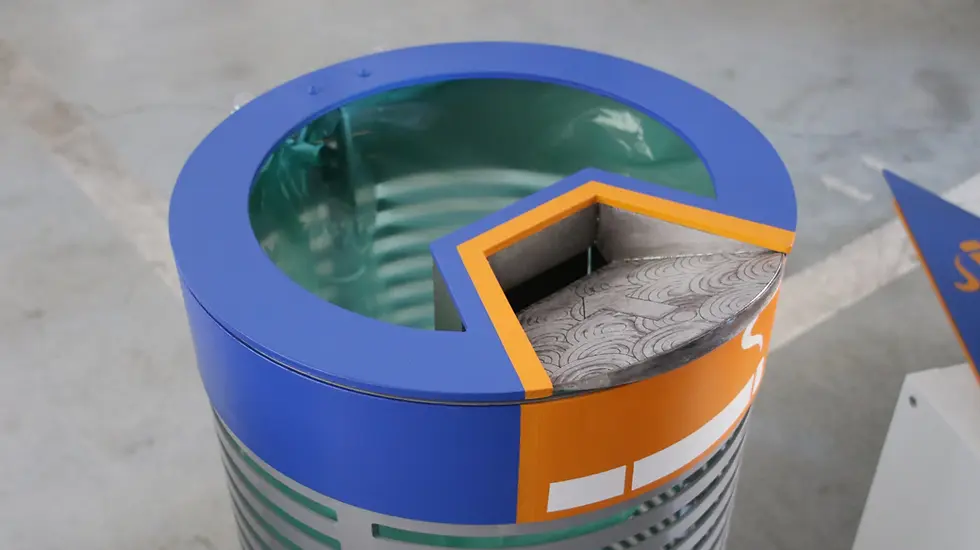
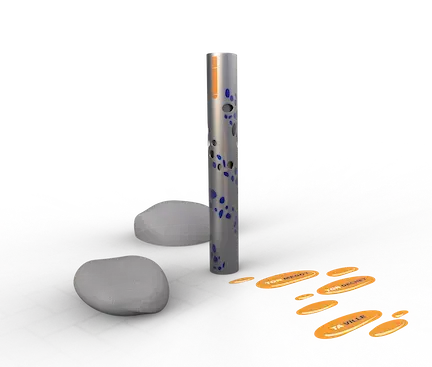
The Ricochet project consists of a set of three complementary solutions: a revised, improved trash can, a new trash-totem, and an original signage/communications campaign. Based on in-depth research in behavioral design, the solution attempts to respond to smokers’ complex relation to public space, level of addiction, and psycho-geographical context.
Impact
This partnership project not only opened the city of Nice Propreté department and elected officials to design methods, it also resulted in the hiring of a student intern who continued her master thesis on the topic. The city of Nice has filed a patent to protect the Trash-totem design, their contracted manufacturer is currently developing a prototype of the revised trash can solution, and is about to test it in pilot locations.


Best practices
ENGAGEMENT
Embark everyone, all users, from the bottom of the ladder to the top. Sanitation workers can better understand the relevance of characterizing waste, the environmental challenges at play in cleaning street waste, and their role in it. We need to include them in the research from the get go.
CHANGE METHODS
The city could submit other subjects to designers to improve user behavior, and put design expertise at the service of other key public service challenges. If we start from a position of understanding the problem (before trying to solve it) we may gain lots of time and money down the road.
FIELD TEST
Although we made an effort to build a prototype of the trash can, we didn’t take the time to place it on the street and see what would have happen. Next time, let’s do it and observe users’ behavior and we can start evaluating design’s impact even with prototyped products (POC).
Team
Claire DENIZART, Mariane GIRAUDON, Holly BARTLEY, Tom MAQUARD, Emma WEBER, Romain DESREZ, Marine DHALLUIN, Henri BORDE, Ombeline GONIN, Samantha BUFNOIR, Leonor CASSINI, Ines VANHOENACKER, Elisabeth Nazarova, Justine BIASI, Arpiné SAAKIAN
Coach
Laetitia WOLFF
Partners
A partnership project developed at Besign, the Sustainable Design School in partnership with Métropole de Nice.
